Your Who proposed the social cognitive perspective images are available. Who proposed the social cognitive perspective are a topic that is being searched for and liked by netizens now. You can Download the Who proposed the social cognitive perspective files here. Find and Download all royalty-free photos.
If you’re searching for who proposed the social cognitive perspective pictures information related to the who proposed the social cognitive perspective interest, you have visit the ideal blog. Our website always provides you with suggestions for seeking the highest quality video and image content, please kindly surf and locate more enlightening video content and images that match your interests.
Who Proposed The Social Cognitive Perspective. Believes our traits and social context interact to produce behaviors. The unique feature of SCT is the emphasis on social influence and its emphasis on external. Participants were 194 undergraduates. This theory was advanced by Albert Bandura as an extension of his social learning theory.
 Learning Through Observation Social Cognitive Theory Social Learning Theory Social Cognitive Theory Learning Theory From pinterest.com
Social-cognitive perspective proposed by Albert Bandura. Bandura Social-cognitive theorists propose that personality is shaped by the mutual influence of our internal ___ ___ factors and ___ factors. The social cognitive theory proposed by Bandura 1986 is one of the most common behaviour change theories applied in the management of chronic health conditions. Beauchamp Crawford Jackson 2019 The theory states that individuals learn by observing what others do. The study was a 2 Helpfulness by 2 Fairness design. It developed into the SCT in 1986 and posits that learning occurs in a social context with a dynamic and reciprocal interaction of the person environment and behavior.
In other words the interaction bn nature nurture.
Beauchamp Crawford Jackson 2019 The theory states that individuals learn by observing what others do. Brown and Gail Hackett in 1994 SCCT is based on Albert Banduras general social cognitive theory an influential theory of cognitive and motivational processes that has been extended to the study of many areas of psychosocial functioning such as academic performance health behavior and organizational development. The social-cognitive perspective highlights the interacting influences of behavior internal cognition and environment a process that Albert Bandura called ____. In other words the interaction bn nature nurture. Participants were 194 undergraduates. Social cognitive psychology is the perspective in which learning by observing others is the focus of study.
 Source: pinterest.com
Schunk 1989 proposed a model of the development of self-regulation based on Banduras socialcognitive perspective Bandura 1986. Social cognitive theory SCT used in psychology education and communication holds that portions of an individuals knowledge acquisition can be directly related to observing others within the context of social interactions experiences and outside media influences. Perspective of social cognitive theory Bandura 1986. Key assumptions of social cognitive perspective are. Walter Mischel 1930present is a personality researcher whose development of the cognitive-affective personality model has helped to shape the social-cognitive theory of personality.
 Source: pinterest.com
The social-cognitive perspective highlights the interacting influences of behavior internal cognition and environment a process that Albert Bandura called ____. These three factors interact with. Key assumptions of social cognitive perspective are. Conditioning and observational learning interact with cognition to create behavioral patterns. Mischel suggests that an individuals.
 Source: pinterest.com
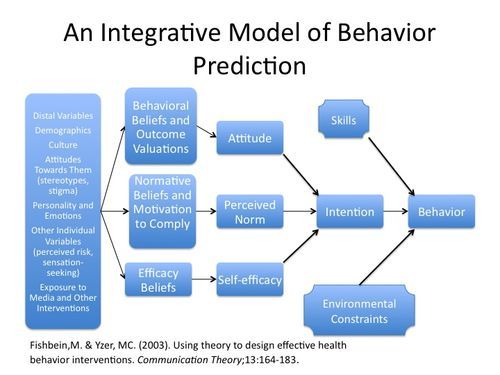
Who proposed social cognitive theory. The Social Cognitive Theory SCT was proposed by Albert Bandura. Social cognitive psychology is the perspective in which learning by observing others is the focus of study. Key assumptions of social cognitive perspective are. Social cognitive theory the cognitive formulation of social learning theory that has been best articulated by Bandura 24 25 explains human behavior in terms of a three-way dynamic reciprocal model in which personal factors environmental influences and behavior continually interact.
 Source: pinterest.com
D A social-cognitive perspective. Believes our traits and social context interact to produce behaviors. Bandura Social-cognitive theorists propose that personality is shaped by the mutual influence of our internal ___ ___ factors and ___ factors. In summary Banduras social-cognitive theory is based on the triadic reciprocity model in which behavior personal traits and the environment interact. Since development is a life- long process Baltes Reese 1984 the analysis is concerned with changes in the psychosocial functioning.
 Source: pinterest.com
Social cognitive theory SCT used in psychology education and communication holds that portions of an individuals knowledge acquisition can be directly related to observing others within the context of social interactions experiences and outside media influences. The social- cognitive perspective on personality is a theory that emphasizes cognitive processes such as thinking and judging in the development of personality. Social cognitive theory has often been called a bridge between behavioral and cognitive learning theories because it focuses on the interaction between internal factors such as thinking and symbolic processing eg attention memory motivation and external determinants eg rewards and punishments in. Participants were 194 undergraduates. Beauchamp Crawford Jackson 2019 The theory states that individuals learn by observing what others do.
 Source: pinterest.com
Conditioning and observational learning interact with cognition to create behavioral patterns. It developed into the SCT in 1986 and posits that learning occurs in a social context with a dynamic and reciprocal interaction of the person environment and behavior. According to Schunk Self-regulation does not automatically develop as people become older nor is it passively acquired from the environment p. The social- cognitive perspective on personality is a theory that emphasizes cognitive processes such as thinking and judging in the development of personality. Social-cognitive perspective proposed by Albert Bandura.
 Source: pinterest.com
These three factors interact with. In other words the interaction bn nature nurture. Key assumptions of social cognitive perspective are. The Social Cognitive Theory SCT was proposed by Albert Bandura. The study was a 2 Helpfulness by 2 Fairness design.
 Source: pinterest.com
In addition to classical conditioning and operant conditioning Bandura adds another component of observational learning. The social cognitive theory proposed by Bandura 1986 is one of the most common behaviour change theories applied in the management of chronic health conditions. The study was a 2 Helpfulness by 2 Fairness design. D A social-cognitive perspective. Beauchamp Crawford Jackson 2019 The theory states that individuals learn by observing what others do.
 Source: pinterest.com
These three factors interact with. The social-cognitive perspective highlights the interacting influences of behavior internal cognition and environment a process that Albert Bandura called ____. This theory was advanced by Albert Bandura as an extension of his social learning theory. Social cognitive psychology is the perspective in which learning by observing others is the focus of study. Learning occurs through observation.
 Source: pinterest.com
Key assumptions of social cognitive perspective are. Bandura Social-cognitive theorists propose that personality is shaped by the mutual influence of our internal ___ ___ factors and ___ factors. Conditioning and observational learning interact with cognition to create behavioral patterns. Brown and Gail Hackett in 1994 SCCT is based on Albert Banduras general social cognitive theory an influential theory of cognitive and motivational processes that has been extended to the study of many areas of psychosocial functioning such as academic performance health behavior and organizational development. Social-cognitive perspective proposed by Albert Bandura.
 Source: pinterest.com
Brown and Gail Hackett in 1994 SCCT is based on Albert Banduras general social cognitive theory an influential theory of cognitive and motivational processes that has been extended to the study of many areas of psychosocial functioning such as academic performance health behavior and organizational development. Personal factors behavioral factors and environmental factors. D A social-cognitive perspective. Who proposed social cognitive theory. This study also sought to provide initial empirical support for the two-stage social cognitive model of OCBs proposed by Hauenstein and Kalanick 2008.
 Source: pinterest.com
In other words the interaction bn nature nurture. Social cognitive psychology is the perspective in which learning by observing others is the focus of study. The social cognitive theory proposed by Bandura 1986 is one of the most common behaviour change theories applied in the management of chronic health conditions. Albert Bandura proposed the social cognitive theory in 1986 as an alternative to the behavioral learning theory. It developed into the SCT in 1986 and posits that learning occurs in a social context with a dynamic and reciprocal interaction of the person environment and behavior.
 Source: pinterest.com
According to SCT learning occurs through a three-way reciprocal model. Developed by Robert W. The Social Cognitive Theory SCT was proposed by Albert Bandura. Views behavior as influenced by the interaction between peoples traits including thinking. Schunk 1989 proposed a model of the development of self-regulation based on Banduras socialcognitive perspective Bandura 1986.
 Source: pinterest.com
Brown and Gail Hackett in 1994 SCCT is based on Albert Banduras general social cognitive theory an influential theory of cognitive and motivational processes that has been extended to the study of many areas of psychosocial functioning such as academic performance health behavior and organizational development. The unique feature of SCT is the emphasis on social influence and its emphasis on external. One concept of the theory focuses on the importance of self-regulation as a source of behaviour change which is broken down into three core components. Vicarious reinforcement and punishment also play a role in determining whether an individual will choose to engage in a behavior or not. Perspective of social cognitive theory Bandura 1986.
 Source: pinterest.com
Social cognitive theory the cognitive formulation of social learning theory that has been best articulated by Bandura 24 25 explains human behavior in terms of a three-way dynamic reciprocal model in which personal factors environmental influences and behavior continually interact. The social-cognitive perspective highlights the interacting influences of behavior internal cognition and environment a process that Albert Bandura called ____. The social- cognitive perspective on personality is a theory that emphasizes cognitive processes such as thinking and judging in the development of personality. Social cognitive theory SCT used in psychology education and communication holds that portions of an individuals knowledge acquisition can be directly related to observing others within the context of social interactions experiences and outside media influences. Developed by Robert W.
 Source: in.pinterest.com
Beauchamp Crawford Jackson 2019 The theory states that individuals learn by observing what others do. According to Schunk Self-regulation does not automatically develop as people become older nor is it passively acquired from the environment p. The social cognitive theory proposed by Bandura 1986 is one of the most common behaviour change theories applied in the management of chronic health conditions. This study also sought to provide initial empirical support for the two-stage social cognitive model of OCBs proposed by Hauenstein and Kalanick 2008. Who proposed social cognitive theory.
 Source: pinterest.com
Social cognitive theory has often been called a bridge between behavioral and cognitive learning theories because it focuses on the interaction between internal factors such as thinking and symbolic processing eg attention memory motivation and external determinants eg rewards and punishments in. Since development is a life- long process Baltes Reese 1984 the analysis is concerned with changes in the psychosocial functioning. According to Schunk Self-regulation does not automatically develop as people become older nor is it passively acquired from the environment p. Social cognitive theory the cognitive formulation of social learning theory that has been best articulated by Bandura 24 25 explains human behavior in terms of a three-way dynamic reciprocal model in which personal factors environmental influences and behavior continually interact. The social-cognitive perspective highlights the interacting influences of behavior internal cognition and environment a process that Albert Bandura called ____.
 Source: pinterest.com
Key assumptions of social cognitive perspective are. In addition to classical conditioning and operant conditioning Bandura adds another component of observational learning. Bandura Social-cognitive theorists propose that personality is shaped by the mutual influence of our internal ___ ___ factors and ___ factors. The social-cognitive perspective highlights the interacting influences of behavior internal cognition and environment a process that Albert Bandura called ____. Beauchamp Crawford Jackson 2019 The theory states that individuals learn by observing what others do.
This site is an open community for users to share their favorite wallpapers on the internet, all images or pictures in this website are for personal wallpaper use only, it is stricly prohibited to use this wallpaper for commercial purposes, if you are the author and find this image is shared without your permission, please kindly raise a DMCA report to Us.
If you find this site convienient, please support us by sharing this posts to your preference social media accounts like Facebook, Instagram and so on or you can also bookmark this blog page with the title who proposed the social cognitive perspective by using Ctrl + D for devices a laptop with a Windows operating system or Command + D for laptops with an Apple operating system. If you use a smartphone, you can also use the drawer menu of the browser you are using. Whether it’s a Windows, Mac, iOS or Android operating system, you will still be able to bookmark this website.