Your Who discovered cognitive psychology images are ready in this website. Who discovered cognitive psychology are a topic that is being searched for and liked by netizens today. You can Get the Who discovered cognitive psychology files here. Download all free images.
If you’re searching for who discovered cognitive psychology pictures information related to the who discovered cognitive psychology keyword, you have pay a visit to the ideal blog. Our site always gives you suggestions for viewing the highest quality video and picture content, please kindly search and locate more enlightening video content and graphics that fit your interests.
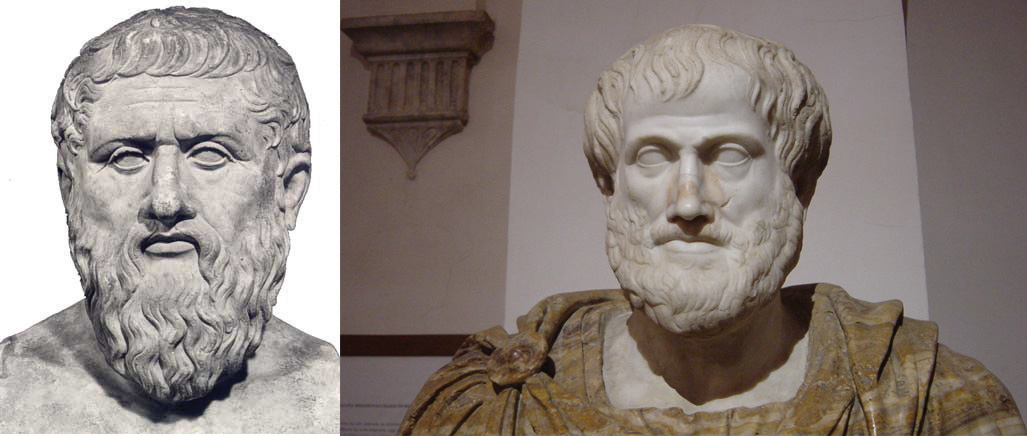
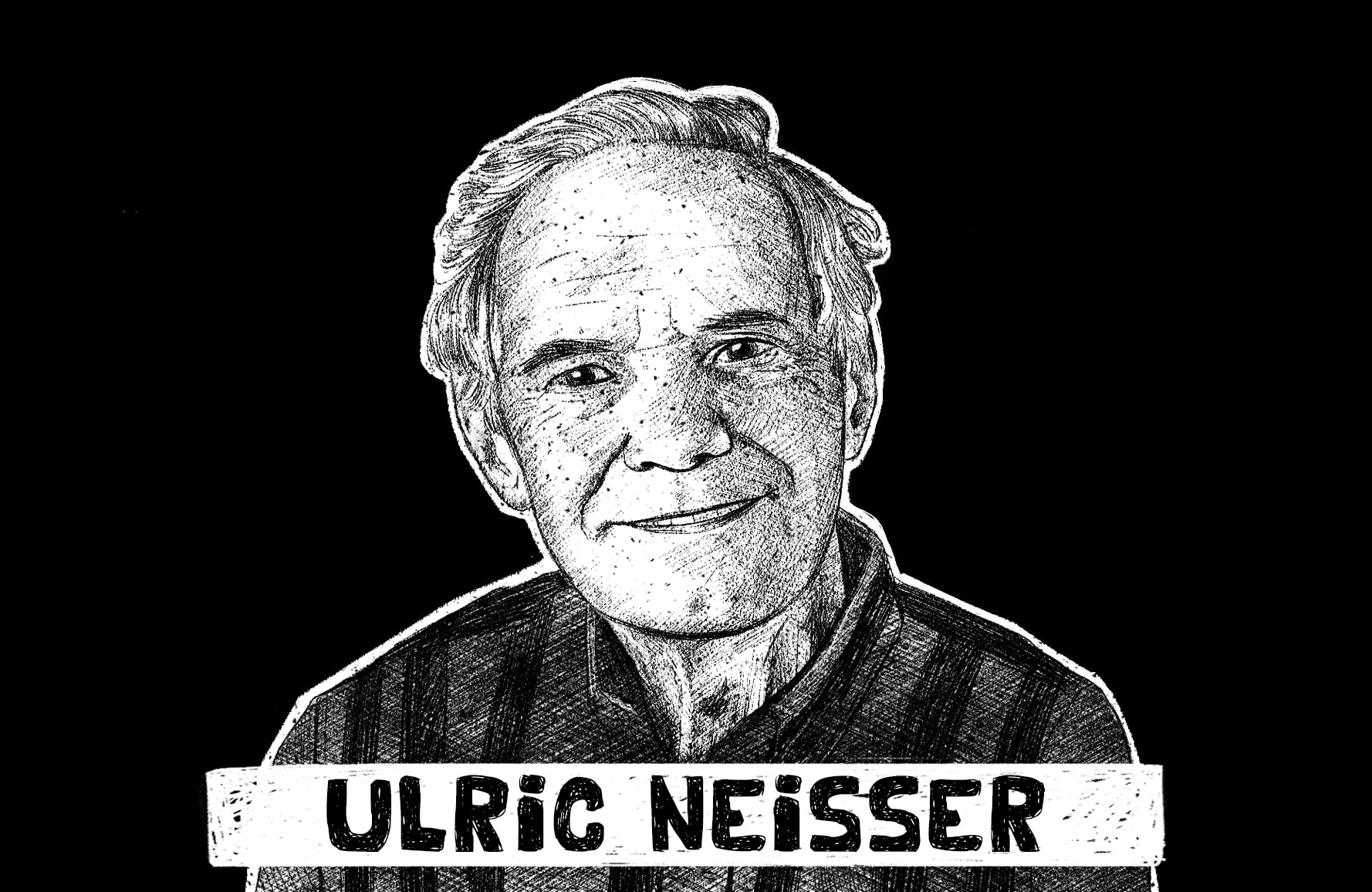
Who Discovered Cognitive Psychology. The study of human memory stretches back at least 2000 years to Aristotles early attempts to understand memory in his treatise On the SoulIn this he compared the human mind to a blank slate and theorized that all humans are born free of any knowledge and are merely the sum of their experiencesAristotle compared memory to making impressions in wax. Cognitive Psychology is the study of the mind and behavior with an approach that the brain is simply an information processor such as a computer. Ulric Neisser coined the term cognitive psychology in his book Cognitive Psychology published in 1967 wherein Neisser provides a definition of cognitive psychology characterizing people as dynamic information-processing systems whose mental operations might be described in computational terms. Ulric Dick Neisser was the father of cognitive psychology and an advocate for ecological approaches to cognitive research.
 Domains In Psychology Introduction To Psychology From courses.lumenlearning.com
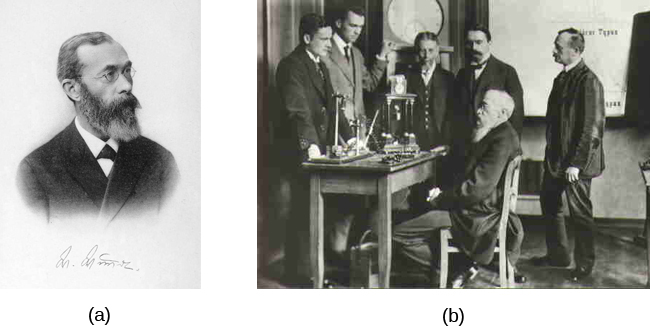
Wilhelm Wundt 1832-1920 is credited with forming the first psychology laboratory exclusively for psychological work in Leipzig Germany in 1879. Cognitive Psychology is the study of the mind and behavior with an approach that the brain is simply an information processor such as a computer. It is possible to distinguish several milestones in the development of this discipline. While it is a relatively young branch of psychology it has quickly grown to become one of the most popular subfields. The study of mental processes including perception thinking memory and judgments. This field of psychology came after psychoanalysis and behaviorism were popular and has offered alternatives to the theories within these fields.
Birth of Cognitive Psychology often dated back to George Millers 1956 The Magical Number 7 Plus or Minus 2 Newell and Simons 1972 development of the General Problem Solver.
Cognitive Therapy Roots In the early 1900s Austrian psychotherapist Alfred Adlers notion of basic mistakes and their role in unpleasant emotions made him one of the earliest therapists to address cognition in psychotherapy. Cognitive psychology involves the study of internal mental processesall of the things that go on inside your brain including perception thinking memory attention language problem-solving and learning. First this branch of psychology began to develop very rapidly due to important. The most well-known representatives that gave cognitive psychology a seat in the world of behavioral sciences were. He was the first professor of experimental psychology at the University of Cambridge. Cognitive psychology Inspired by work in mathematics and other disciplines psychologists begin to focus on cognitive states and processes.
 Source: simplypsychology.org
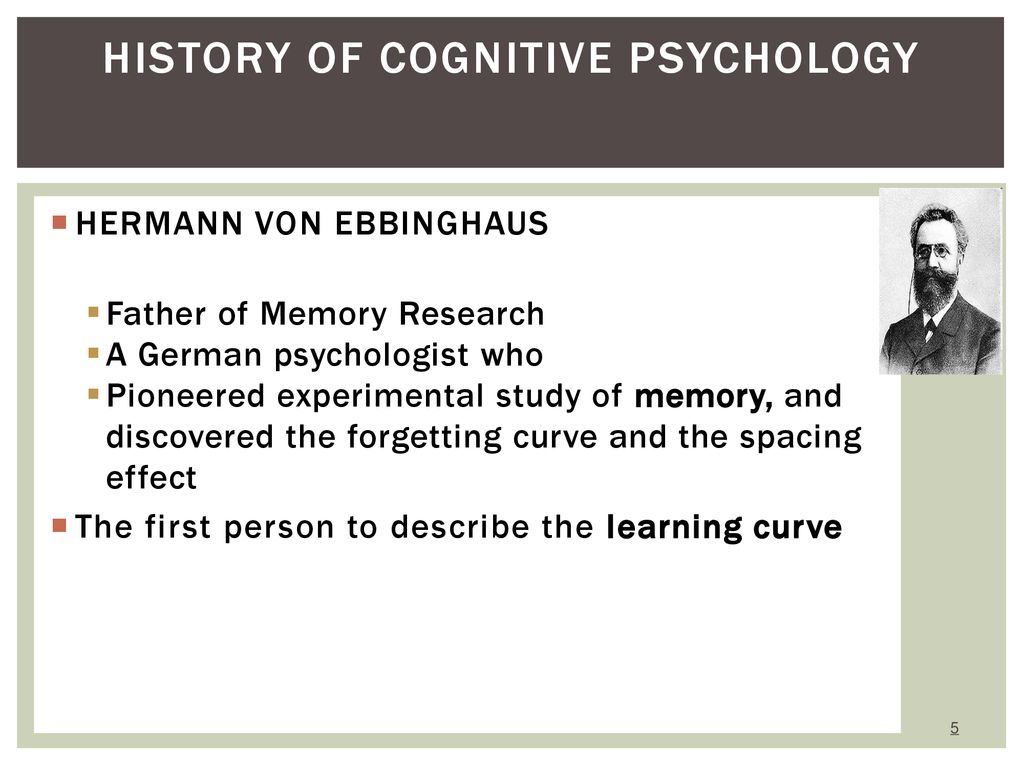
Hermann Ebbinghaus Sir Frederic Bartlett Jean Piaget. While it is a relatively young branch of psychology it has quickly grown to become one of the most popular subfields. Birth of Cognitive Psychology often dated back to George Millers 1956 The Magical Number 7 Plus or Minus 2 Newell and Simons 1972 development of the General Problem Solver. He was the first professor of experimental psychology at the University of Cambridge. Overall cognitive psychology can be described as the study of the mind as well as major mental processes such as problem-solving memory or perception Goldstein 2011 p.
 Source: simplypsychology.org
Cognitive Therapy Roots In the early 1900s Austrian psychotherapist Alfred Adlers notion of basic mistakes and their role in unpleasant emotions made him one of the earliest therapists to address cognition in psychotherapy. Ulric Dick Neisser was the father of cognitive psychology and an advocate for ecological approaches to cognitive research. Birth of Cognitive Psychology often dated back to George Millers 1956 The Magical Number 7 Plus or Minus 2 Newell and Simons 1972 development of the General Problem Solver. The study of mental processes including perception thinking memory and judgments. Millers 1956 article The Magical Number Seven Plus or Minus Two on information processing is an.
 Source:
This field of psychology came after psychoanalysis and behaviorism were popular and has offered alternatives to the theories within these fields. The Beginning of Psychology Wundtian Psychology and Structuralism. This is known as the principle of cognitive consistency. In 1960 Miller founded the Center for Cognitive Studies at Harvard with the famous cognitivist developmentalist Jerome Bruner. Festingers 1957 cognitive dissonance theory suggests that we have an inner drive to hold all our attitudes and behavior in harmony and avoid disharmony or dissonance.
 Source: courses.lumenlearning.com
Hermann Ebbinghaus Sir Frederic Bartlett Jean Piaget. This is known as the principle of cognitive consistency. Ulric Dick Neisser was the father of cognitive psychology and an advocate for ecological approaches to cognitive research. It is possible to distinguish several milestones in the development of this discipline. While psychology did not emerge as a separate discipline until the late 1800s its earliest history can be traced back to the time of the early Greeks.
 Source: courses.lumenlearning.com
While psychology did not emerge as a separate discipline until the late 1800s its earliest history can be traced back to the time of the early Greeks. The study of mental processes including perception thinking memory and judgments. Ulric Dick Neisser was the father of cognitive psychology and an advocate for ecological approaches to cognitive research. The most well-known representatives that gave cognitive psychology a seat in the world of behavioral sciences were. Cognitive Therapy Roots In the early 1900s Austrian psychotherapist Alfred Adlers notion of basic mistakes and their role in unpleasant emotions made him one of the earliest therapists to address cognition in psychotherapy.
 Source: slideplayer.com
Cognitive Therapy Roots In the early 1900s Austrian psychotherapist Alfred Adlers notion of basic mistakes and their role in unpleasant emotions made him one of the earliest therapists to address cognition in psychotherapy. While it is a relatively young branch of psychology it has quickly grown to become one of the most popular subfields. Cognitive Psychology is the study of the mind and behavior with an approach that the brain is simply an information processor such as a computer. During the 17th-century the French philosopher Rene Descartes introduced the idea of dualism which asserted that the mind and body were two entities that interact to form the human experience. Cognitive Therapy Roots In the early 1900s Austrian psychotherapist Alfred Adlers notion of basic mistakes and their role in unpleasant emotions made him one of the earliest therapists to address cognition in psychotherapy.
 Source: psychologicalscience.org
Ulric Dick Neisser was the father of cognitive psychology and an advocate for ecological approaches to cognitive research. In 1960 Miller founded the Center for Cognitive Studies at Harvard with the famous cognitivist developmentalist Jerome Bruner. Neisser was a brilliant synthesizer of diverse thoughts and findings. This field of psychology came after psychoanalysis and behaviorism were popular and has offered alternatives to the theories within these fields. First this branch of psychology began to develop very rapidly due to important.
 Source: opentextbc.ca
Hermann Ebbinghaus Sir Frederic Bartlett Jean Piaget. Cognitive Psychology is the study of the mind and behavior with an approach that the brain is simply an information processor such as a computer. When there is an inconsistency between attitudes or behaviors dissonance something must change to eliminate the. He was the first professor of experimental psychology at the University of Cambridge. Ulric Dick Neisser was the father of cognitive psychology and an advocate for ecological approaches to cognitive research.
 Source: practicalpie.com
The study of mental processes including perception thinking memory and judgments. While it is a relatively young branch of psychology it has quickly grown to become one of the most popular subfields. Cognitive psychology involves the study of internal mental processesall of the things that go on inside your brain including perception thinking memory attention language problem-solving and learning. Birth of Cognitive Psychology often dated back to George Millers 1956 The Magical Number 7 Plus or Minus 2 Newell and Simons 1972 development of the General Problem Solver. While the behavioural model had regarded cognitive processes as an epiphenomenon a new approach appeared that considered cognitive knowledge of central importance in psychological investigation.
 Source: slideserve.com
Cognitive psychology Inspired by work in mathematics and other disciplines psychologists begin to focus on cognitive states and processes. When there is an inconsistency between attitudes or behaviors dissonance something must change to eliminate the. Ulric Dick Neisser was the father of cognitive psychology and an advocate for ecological approaches to cognitive research. Cognitive psychology Inspired by work in mathematics and other disciplines psychologists begin to focus on cognitive states and processes. First this branch of psychology began to develop very rapidly due to important.
 Source: psychologicalscience.org
Millers 1956 article The Magical Number Seven Plus or Minus Two on information processing is an. This field of psychology came after psychoanalysis and behaviorism were popular and has offered alternatives to the theories within these fields. This is known as the principle of cognitive consistency. When there is an inconsistency between attitudes or behaviors dissonance something must change to eliminate the. After classical conditioning was discovered the.
 Source: simplypsychology.org
This is known as the principle of cognitive consistency. It is possible to distinguish several milestones in the development of this discipline. The Beginning of Psychology Wundtian Psychology and Structuralism. In 1960 Miller founded the Center for Cognitive Studies at Harvard with the famous cognitivist developmentalist Jerome Bruner. When there is an inconsistency between attitudes or behaviors dissonance something must change to eliminate the.
 Source: psychologicalscience.org
Wilhelm Wundt 1832-1920 is credited with forming the first psychology laboratory exclusively for psychological work in Leipzig Germany in 1879. Cognitive psychology involves the study of internal mental processesall of the things that go on inside your brain including perception thinking memory attention language problem-solving and learning. Festingers 1957 cognitive dissonance theory suggests that we have an inner drive to hold all our attitudes and behavior in harmony and avoid disharmony or dissonance. The study of mental processes including perception thinking memory and judgments. After classical conditioning was discovered the.
 Source: simplypsychology.org
Neisser was a brilliant synthesizer of diverse thoughts and findings. In 1960 Miller founded the Center for Cognitive Studies at Harvard with the famous cognitivist developmentalist Jerome Bruner. Cognitive Psychology is the study of the mind and behavior with an approach that the brain is simply an information processor such as a computer. This field of psychology came after psychoanalysis and behaviorism were popular and has offered alternatives to the theories within these fields. The study of how the social situations and the cultures in which.
 Source: psychology.iresearchnet.com
Ulric Neisser coined the term cognitive psychology in his book Cognitive Psychology published in 1967 wherein Neisser provides a definition of cognitive psychology characterizing people as dynamic information-processing systems whose mental operations might be described in computational terms. The study of human memory stretches back at least 2000 years to Aristotles early attempts to understand memory in his treatise On the SoulIn this he compared the human mind to a blank slate and theorized that all humans are born free of any knowledge and are merely the sum of their experiencesAristotle compared memory to making impressions in wax. He was the first professor of experimental psychology at the University of Cambridge. After classical conditioning was discovered the. Festingers 1957 cognitive dissonance theory suggests that we have an inner drive to hold all our attitudes and behavior in harmony and avoid disharmony or dissonance.
 Source: courses.lumenlearning.com
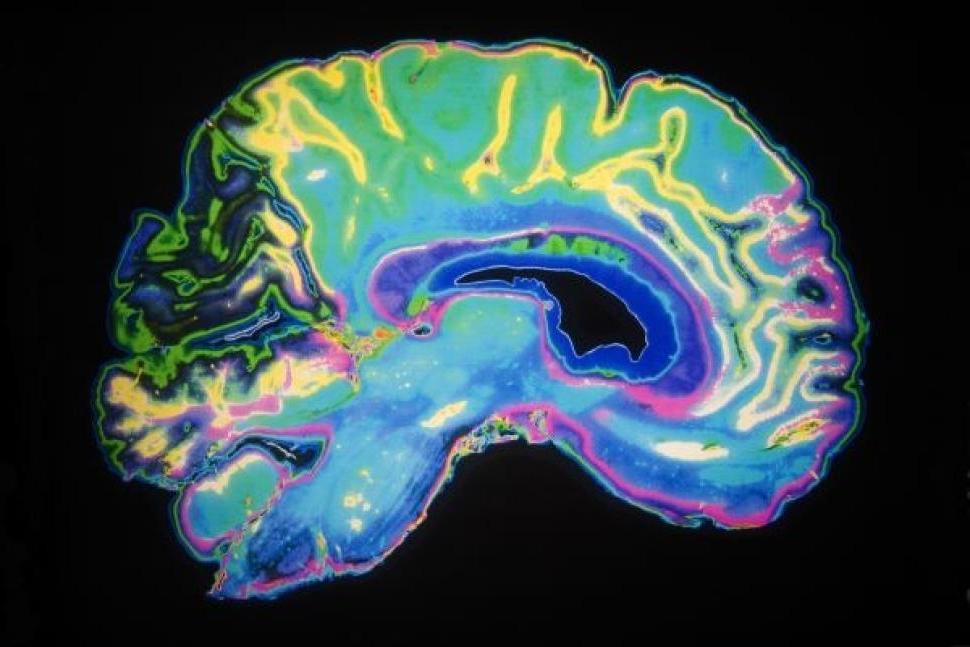
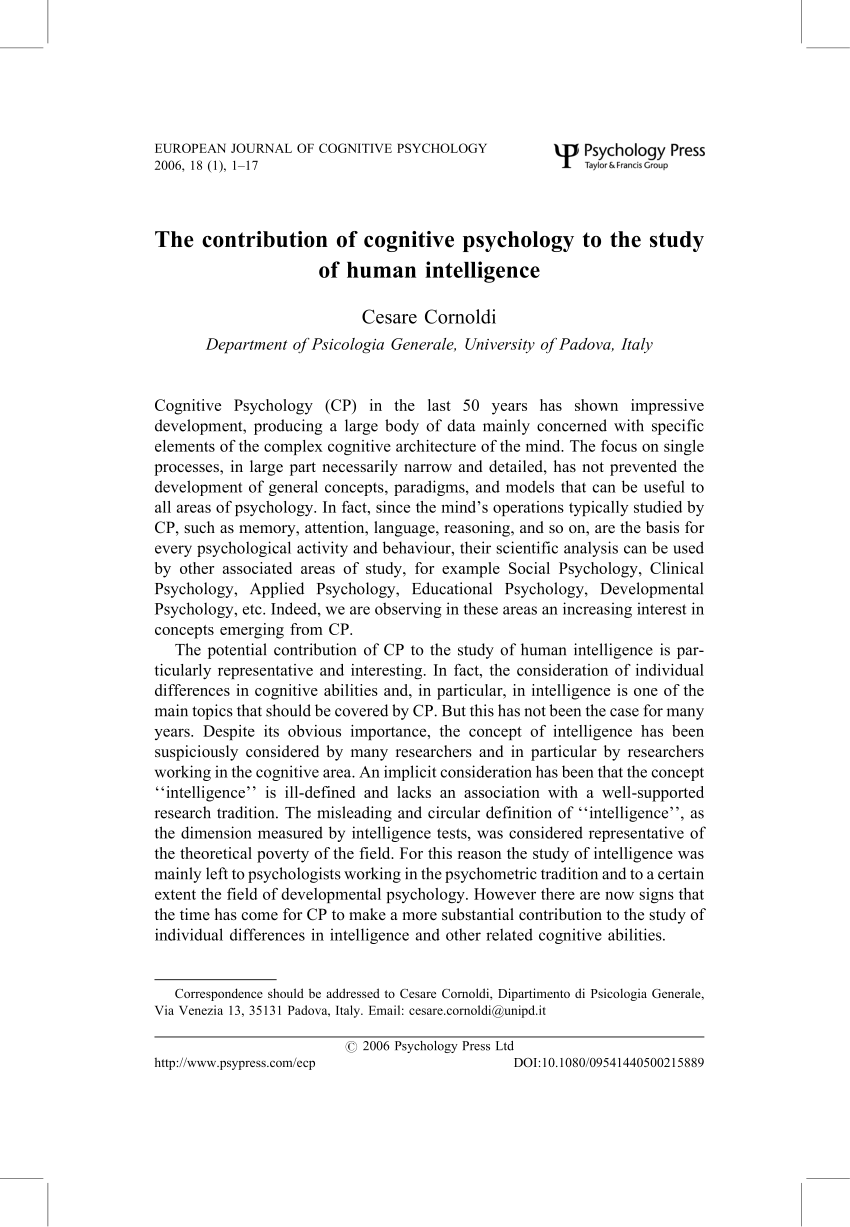
This is known as the principle of cognitive consistency. Cognitive psychology involves the study of internal mental processesall of the things that go on inside your brain including perception thinking memory attention language problem-solving and learning. While it is a relatively young branch of psychology it has quickly grown to become one of the most popular subfields. Cognitive psychology involves the study of the human mind. Neisser was a brilliant synthesizer of diverse thoughts and findings.
 Source: researchgate.net
The study of mental processes including perception thinking memory and judgments. Neisser was a brilliant synthesizer of diverse thoughts and findings. The study of mental processes including perception thinking memory and judgments. After classical conditioning was discovered the. Overall cognitive psychology can be described as the study of the mind as well as major mental processes such as problem-solving memory or perception Goldstein 2011 p.
 Source: slideplayer.com
The study of how the social situations and the cultures in which. He was the first professor of experimental psychology at the University of Cambridge. Cognitive Psychology is the study of the mind and behavior with an approach that the brain is simply an information processor such as a computer. Cognitive Therapy Roots In the early 1900s Austrian psychotherapist Alfred Adlers notion of basic mistakes and their role in unpleasant emotions made him one of the earliest therapists to address cognition in psychotherapy. Wilhelm Wundt 1832-1920 is credited with forming the first psychology laboratory exclusively for psychological work in Leipzig Germany in 1879.
This site is an open community for users to do submittion their favorite wallpapers on the internet, all images or pictures in this website are for personal wallpaper use only, it is stricly prohibited to use this wallpaper for commercial purposes, if you are the author and find this image is shared without your permission, please kindly raise a DMCA report to Us.
If you find this site helpful, please support us by sharing this posts to your preference social media accounts like Facebook, Instagram and so on or you can also save this blog page with the title who discovered cognitive psychology by using Ctrl + D for devices a laptop with a Windows operating system or Command + D for laptops with an Apple operating system. If you use a smartphone, you can also use the drawer menu of the browser you are using. Whether it’s a Windows, Mac, iOS or Android operating system, you will still be able to bookmark this website.


