Your What should you monitor during anesthesia images are available in this site. What should you monitor during anesthesia are a topic that is being searched for and liked by netizens today. You can Download the What should you monitor during anesthesia files here. Get all royalty-free images.
If you’re searching for what should you monitor during anesthesia pictures information related to the what should you monitor during anesthesia interest, you have pay a visit to the ideal blog. Our website always gives you hints for seeing the maximum quality video and image content, please kindly hunt and find more enlightening video articles and images that match your interests.
What Should You Monitor During Anesthesia. The main functions monitored during general anesthesia include oxygenation circulation and temperature by measuring parameters such as heart pulse and rhythm blood pressure oxygen saturation and temperature level. True respiratory arrest may result from anesthetic overdose lack of oxygen flow or. The surgical team will bring you to a recovery room after your procedure where your nurse will monitor your vitals and give you any medication prescribed by your doctor. While less common hyperthermia may also be observed.
 The Oliver Frey Anesthetic Record Etsy Anesthetic Vet Medicine Life Application From pinterest.com
The surgical team will bring you to a recovery room after your procedure where your nurse will monitor your vitals and give you any medication prescribed by your doctor. This may develop as a reaction to anesthetic drugs or in the case of patients who are febrile before surgery. The vitals that are typically monitored under anesthesia. Not so during anesthesia. After the introduction of the first commercial intraoperative neuromonitoring IONM the procedure became popular in the 1980s. All monitors should be turned on and proper completion of power.
Start studying Monitoring During Anesthesia.
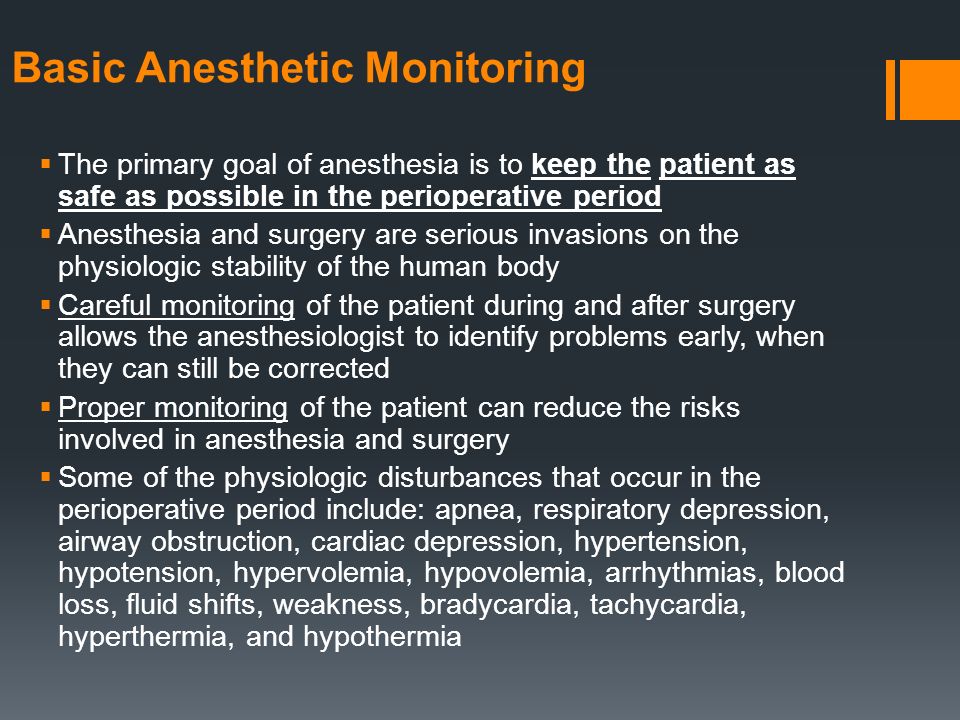
ANIMAL BLOOD PRESSURE MONITORING DURING SURGERY Assess anesthetic depth Monitor trends to provide. This is usually strapped around your upper arm. The surgical team will bring you to a recovery room after your procedure where your nurse will monitor your vitals and give you any medication prescribed by your doctor. Standards for Basic Anesthetic Monitoring. Monitored Anesthesia Care MAC also known as conscious sedation or twilight sleep is a type of sedation that is administered through an IV to make a patient sleepy and calm during a procedure. - an index of a patients cardiovascular status - the depth of anesthesia - response to therapeutic intervention - an indication for adjusting fluid therapy and - titrating drug doses.
 Source: pinterest.com
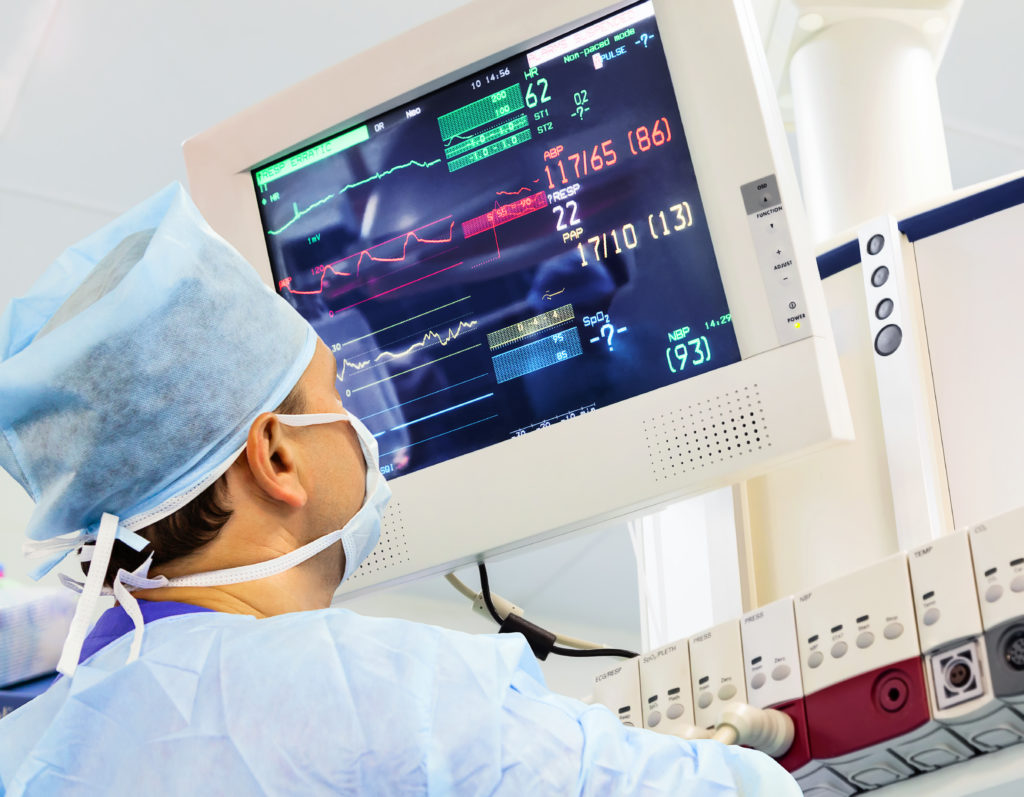
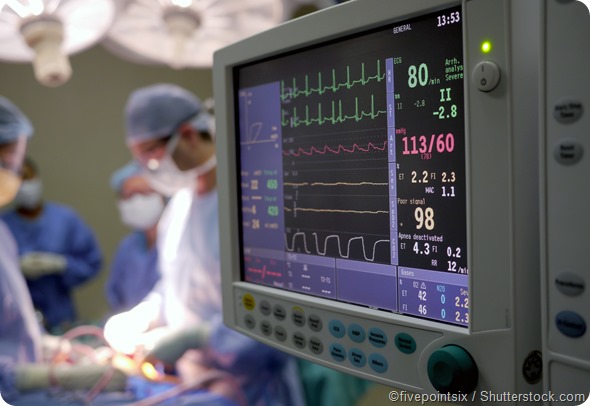
Anesthesia monitoring cheat sheet. Hemodynamic monitoring during anesthesia involves watching the heart rate and rhythm the blood pressure and your oxygen level. Standards for patient monitoring during anesthesia are clearly defined. Periodic quantitative measurement of BP in humans predating the era of evidence-based medicine by over a century is a component of the American Society of Anesthesiologists standards for basic anesthetic monitoring and is a staple of anesthetic management worldwide. Learn vocabulary terms and more with flashcards games and other study tools.
 Source: pinterest.com
Brain function monitors have also been called depth of anesthesia monitors. Feeling cold is a side effect of the anesthesia and you can ask your nurse for a blanket if you need it. A pulse oximeter a small instrument that is attached to your finger toe or earlobe to measure the level of oxygen in. All of these standards state that the most important monitor is the presence of an anesthesia clinician throughout anesthesia and include statements that a blood pressure monitor pulse oximeter and ETCO 2 monitor should. Monitor adequacy of circulation.
 Source: pinterest.com
Monitor adequacy of circulation. Mechanical monitoring by the anesthetist involves the use of equipment that will aide in assessing the patients ventilation. These are just a few of the monitors the anesthesiologist uses to keep you safe and comfortable for. Instruments commonly used for monitoring during anesthesia include. The anesthetist should be comfortable with hands-on monitoring using ones own senses sight sound touch in determining patients respiratory status.
 Source: theveterinarynurse.com
The patient is typically awake but groggy and are able to. Mechanical monitoring by the anesthetist involves the use of equipment that will aide in assessing the patients ventilation. Heart rate Respiratory rate and effort Temperature Pulse oximetry Blood pressure Capnography-if available. A combination of devices pulse oximetery SpO2 and. Hemodynamic monitoring during anesthesia involves watching the heart rate and rhythm the blood pressure and your oxygen level.
 Source: pinterest.com
An inflatable blood pressure cuff. Neuromonitoring is a technology that allows the surgeon to assess spinal cord function during surgery through real-time feedback from individual nerve roots motor tracts and sensory tracts. All monitors should be turned on and proper completion of power. Breathing volume rate and pressure are monitored by clinical observation from an anesthesia team member. 2 an initial heparinizing dose of 120 to 130 unitskg is adequate in 95 per cent of the patients.
 Source: asahq.org
All of these standards state that the most important monitor is the presence of an anesthesia clinician throughout anesthesia and include statements that a blood pressure monitor pulse oximeter and ETCO 2 monitor should. ANIMAL BLOOD PRESSURE MONITORING DURING SURGERY Assess anesthetic depth Monitor trends to provide. Blood pressure pulse respiration are required measurements during all anesthetics but body temperature is not. Feeling cold is a side effect of the anesthesia and you can ask your nurse for a blanket if you need it. 2 an initial heparinizing dose of 120 to 130 unitskg is adequate in 95 per cent of the patients.
 Source: pinterest.com
We conclude that 1 the activated clotting time ACT is an accurate method of monitoring anti-coagulation during peripheral vascular surgery and can easily be performed by a technician in the operating room or at the bedside. Learn vocabulary terms and more with flashcards games and other study tools. Standards for patient monitoring during anesthesia are clearly defined. Feeling cold is a side effect of the anesthesia and you can ask your nurse for a blanket if you need it. All monitors should be turned on and proper completion of power.
 Source: pinterest.com
Monitored Anesthesia Care MAC also known as conscious sedation or twilight sleep is a type of sedation that is administered through an IV to make a patient sleepy and calm during a procedure. An inflatable blood pressure cuff. 2 an initial heparinizing dose of 120 to 130 unitskg is adequate in 95 per cent of the patients. Brain function monitors have also been called depth of anesthesia monitors. This is usually strapped around your upper arm.
 Source: pinterest.com
Breathing volume rate and pressure are monitored by clinical observation from an anesthesia team member. Hemodynamic monitoring during anesthesia involves watching the heart rate and rhythm the blood pressure and your oxygen level. ANIMAL BLOOD PRESSURE MONITORING DURING SURGERY Assess anesthetic depth Monitor trends to provide. Anesthesia monitoring cheat sheet. All of these standards state that the most important monitor is the presence of an anesthesia clinician throughout anesthesia and include statements that a blood pressure monitor pulse oximeter and ETCO 2 monitor should.
 Source: id.pinterest.com
A pulse oximeter a small instrument that is attached to your finger toe or earlobe to measure the level of oxygen in. - an index of a patients cardiovascular status - the depth of anesthesia - response to therapeutic intervention - an indication for adjusting fluid therapy and - titrating drug doses. All monitors should be turned on and proper completion of power. Start studying Monitoring During Anesthesia. Not so during anesthesia.
 Source: slideplayer.com
Monitor adequacy of circulation. 2 an initial heparinizing dose of 120 to 130 unitskg is adequate in 95 per cent of the patients. We conclude that 1 the activated clotting time ACT is an accurate method of monitoring anti-coagulation during peripheral vascular surgery and can easily be performed by a technician in the operating room or at the bedside. The ability to conform to these standards should be confirmed for every anesthetic. - an index of a patients cardiovascular status - the depth of anesthesia - response to therapeutic intervention - an indication for adjusting fluid therapy and - titrating drug doses.
 Source: slideplayer.com
This is usually strapped around your upper arm. Feeling cold is a side effect of the anesthesia and you can ask your nurse for a blanket if you need it. Standards for Basic Anesthetic Monitoring. Instruments commonly used for monitoring during anesthesia include. Hemodynamic monitoring during anesthesia involves watching the heart rate and rhythm the blood pressure and your oxygen level.
 Source: pinterest.com
Heart rate Respiratory rate and effort Temperature Pulse oximetry Blood pressure Capnography-if available. - an index of a patients cardiovascular status - the depth of anesthesia - response to therapeutic intervention - an indication for adjusting fluid therapy and - titrating drug doses. An inflatable blood pressure cuff. Closely monitor the heart rate mucous membrane color and SpO 2 for 1 to 2 minutes before assuming that a serious problem exists. Periodic quantitative measurement of BP in humans predating the era of evidence-based medicine by over a century is a component of the American Society of Anesthesiologists standards for basic anesthetic monitoring and is a staple of anesthetic management worldwide.
Source: pinterest.com
An electrocardiogram EKG. Hemodynamic monitoring during anesthesia involves watching the heart rate and rhythm the blood pressure and your oxygen level. A combination of devices pulse oximetery SpO2 and. True respiratory arrest may result from anesthetic overdose lack of oxygen flow or. ANIMAL BLOOD PRESSURE MONITORING DURING SURGERY Assess anesthetic depth Monitor trends to provide.
 Source: slideplayer.com
After the introduction of the first commercial intraoperative neuromonitoring IONM the procedure became popular in the 1980s. All of these standards state that the most important monitor is the presence of an anesthesia clinician throughout anesthesia and include statements that a blood pressure monitor pulse oximeter and ETCO 2 monitor should. This is usually strapped around your upper arm. The anesthetist should be comfortable with hands-on monitoring using ones own senses sight sound touch in determining patients respiratory status. We conclude that 1 the activated clotting time ACT is an accurate method of monitoring anti-coagulation during peripheral vascular surgery and can easily be performed by a technician in the operating room or at the bedside.
 Source: researchgate.net
Closely monitor the heart rate mucous membrane color and SpO 2 for 1 to 2 minutes before assuming that a serious problem exists. This may develop as a reaction to anesthetic drugs or in the case of patients who are febrile before surgery. An inflatable blood pressure cuff. Every patient receiving general anesthesia shall have in addition to the above circulatory function continually evaluated by at least one of the following. This is usually strapped around your upper arm.
 Source: pinterest.com
The anesthetist should be comfortable with hands-on monitoring using ones own senses sight sound touch in determining patients respiratory status. We conclude that 1 the activated clotting time ACT is an accurate method of monitoring anti-coagulation during peripheral vascular surgery and can easily be performed by a technician in the operating room or at the bedside. Breathing volume rate and pressure are monitored by clinical observation from an anesthesia team member. Blood pressure pulse respiration are required measurements during all anesthetics but body temperature is not. The patient is typically awake but groggy and are able to.
 Source: news-medical.net
All monitors should be turned on and proper completion of power. They are designed to give an additional method of assessing when a patient is unconscious from anesthesia. Brain function monitors measures the very small waves of activity produced by the brain. Monitored Anesthesia Care MAC also known as conscious sedation or twilight sleep is a type of sedation that is administered through an IV to make a patient sleepy and calm during a procedure. Breathing volume rate and pressure are monitored by clinical observation from an anesthesia team member.
This site is an open community for users to do sharing their favorite wallpapers on the internet, all images or pictures in this website are for personal wallpaper use only, it is stricly prohibited to use this wallpaper for commercial purposes, if you are the author and find this image is shared without your permission, please kindly raise a DMCA report to Us.
If you find this site beneficial, please support us by sharing this posts to your favorite social media accounts like Facebook, Instagram and so on or you can also bookmark this blog page with the title what should you monitor during anesthesia by using Ctrl + D for devices a laptop with a Windows operating system or Command + D for laptops with an Apple operating system. If you use a smartphone, you can also use the drawer menu of the browser you are using. Whether it’s a Windows, Mac, iOS or Android operating system, you will still be able to bookmark this website.


