Your Superior mesenteric vein thrombosis risk images are ready. Superior mesenteric vein thrombosis risk are a topic that is being searched for and liked by netizens now. You can Find and Download the Superior mesenteric vein thrombosis risk files here. Get all royalty-free photos and vectors.
If you’re searching for superior mesenteric vein thrombosis risk images information connected with to the superior mesenteric vein thrombosis risk topic, you have come to the right blog. Our site always provides you with suggestions for seeing the maximum quality video and image content, please kindly hunt and locate more informative video content and graphics that fit your interests.
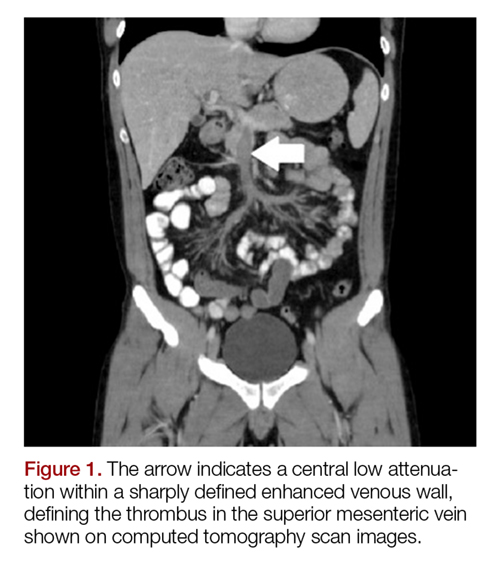
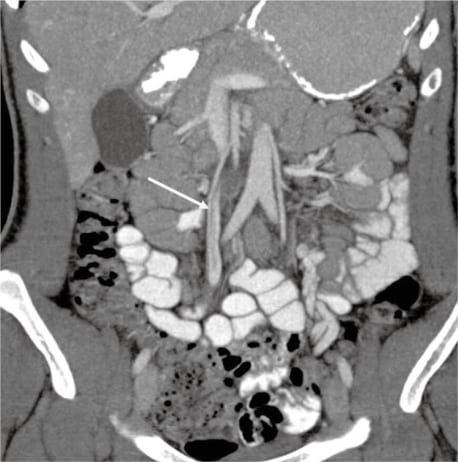
Superior Mesenteric Vein Thrombosis Risk. It can affect the ileum 6483. In summary the most common predisposing factors in superior mesenteric vein thrombosis with radiologically occult cause are recent abdominal surgery infection and hypercoagulation. In patients with subacute mesenteric venous thrombosis abdominal pain is prominent but neither bowel. The exact cause of MVT is unknown.
 Guidelines For Patients With Portal Vein Thrombosis Pvt Cirrhosis Download Scientific Diagram From researchgate.net
Mesenteric vein throm-bosis was defined as extensive thrombosis with clinical signs of intestinal infarction. Acute thrombosis is associated with a definite risk of bowel infarction and peritonitis. Of these the most common are surgical site infections SSI bleeding delayed gastric emptying and anastomotic leakage. Primary mesenteric venous thrombosis is considered spontaneous and idiopathic while secondary mesenteric venous thrombosis arises from an underlying disease or risk factor. However there are many diseases that can lead to MVT. MVT is a clot that blocks blood flow in a mesenteric vein.
In patients with subacute mesenteric venous thrombosis abdominal pain is prominent but neither bowel.
Although subacute MVT is also associated with prominent abdominal pain bowel infarction. In animal models gradual occlusion of the superior mesenteric vein is associated with the development of collateral venous drainage without ischemic damage 10. Primary mesenteric venous thrombosis is considered spontaneous and idiopathic while secondary mesenteric venous thrombosis arises from an underlying disease or risk factor. This study analyzes risk factors that influence the course and outcome of portal and superior mesenteric vein thrombosis PMVT. In patients with subacute mesenteric venous thrombosis abdominal pain is prominent but neither bowel. Patients were classified according to three etiological groups namely.
 Source: sciencedirect.com
When you have mesenteric venous thrombosis MVT you have a blood clot in a vein around where your intestines attach to your belly. J Pharm Pract. This condition can lead to venous engorgement and mesenteric ischemia and accounts for 5 to 15 of all mesenteric ischemic events. We retrospectively reviewed 45 patients who were admitted to our institution over a 17-year period with a diagnosis of PMVT. Of these the most common are surgical site infections SSI bleeding delayed gastric emptying and anastomotic leakage.
Source: researchgate.net
However there are many diseases that can lead to MVT. It can occur with or without gastrointestinal bleeding and symptoms may be present for hours to weeks. The exact cause of MVT is unknown. Primary mesenteric venous thrombosis is considered spontaneous and idiopathic while secondary mesenteric venous thrombosis arises from an underlying disease or risk factor. Prognosis is fairly good in this subset of patients with a mortality of only 7 although bowel ischemia was noted in 21.
 Source: mdedge.com
This is called ischemia. 3 4 Without recanalization a cavernoma develops associated with a permanent risk of potentially fatal. In summary the most common predisposing factors in superior mesenteric vein thrombosis with radiologically occult cause are recent abdominal surgery infection and hypercoagulation. Among the latter complications is thrombosis of superior mesenteric vein. Of these the most common are surgical site infections SSI bleeding delayed gastric emptying and anastomotic leakage.
 Source: researchgate.net
3 4 Without recanalization a cavernoma develops associated with a permanent risk of potentially fatal. Mesenteric vein throm-bosis was defined as extensive thrombosis with clinical signs of intestinal infarction. In patients with subacute mesenteric venous thrombosis abdominal pain is prominent but neither bowel. Among the latter complications is thrombosis of superior mesenteric vein. However there are many diseases that can lead to MVT.
 Source: nejm.org
It causes intestinal damage or the death of intestinal. Prognosis is fairly good in this subset of patients with a mortality of only 7 although bowel ischemia was noted in 21. We retrospectively reviewed 45 patients who were admitted to our institution over a 17-year period with a diagnosis of PMVT. However the most serious complications are ones that are rare clinically hardly diagnosed and if untreated leading to the death of a patient. It can occur with or without gastrointestinal bleeding and symptoms may be present for hours to weeks.
 Source: researchgate.net
3 4 Without recanalization a cavernoma develops associated with a permanent risk of potentially fatal. Online ahead of print. The superior mesenteric vein in 95 of cases and the inferior mesenteric vein which supplies the well-collateralized distal colon in only 4 to 6 of cases1 Acute MVT is typically caused by new-onset symptomatic thrombo-sis of the superior mesenteric vein or its branches without collateralization. However the most serious complications are ones that are rare clinically hardly diagnosed and if untreated leading to the death of a patient. MVT is a clot that blocks blood flow in a mesenteric vein.
 Source: researchgate.net
The condition stops the blood circulation of the intestine and can result in damage to the intestine. A diagnosis of myeloproliferative disease was. However there are many diseases that can lead to MVT. Chronic mesenteric venous thrombosis we searched for vessel stenosis or occlusion associ-ated with collateral mesenteric veins. Acute MVT is associated with colicky and severe midabdominal pain lasting for at least a few hours with a definite risk of bowel infarction and peritonitis.
 Source: westjem.com
Thus an asymptomatic thrombus limited to the conflu-ent area of the superior mesenteric vein was not considered mesenteric vein thrombosis. Chronic mesenteric venous thrombosis often features dilated venous collaterals which can bleed due to elevated venous pressures 11. In comparison acute mesenteric arterial thrombosis is attributed in 60 to 70 of cases6. Patients were classified according to three etiological groups namely. However the most serious complications are ones that are rare clinically hardly diagnosed and if untreated leading to the death of a patient.
 Source: cmaj.ca
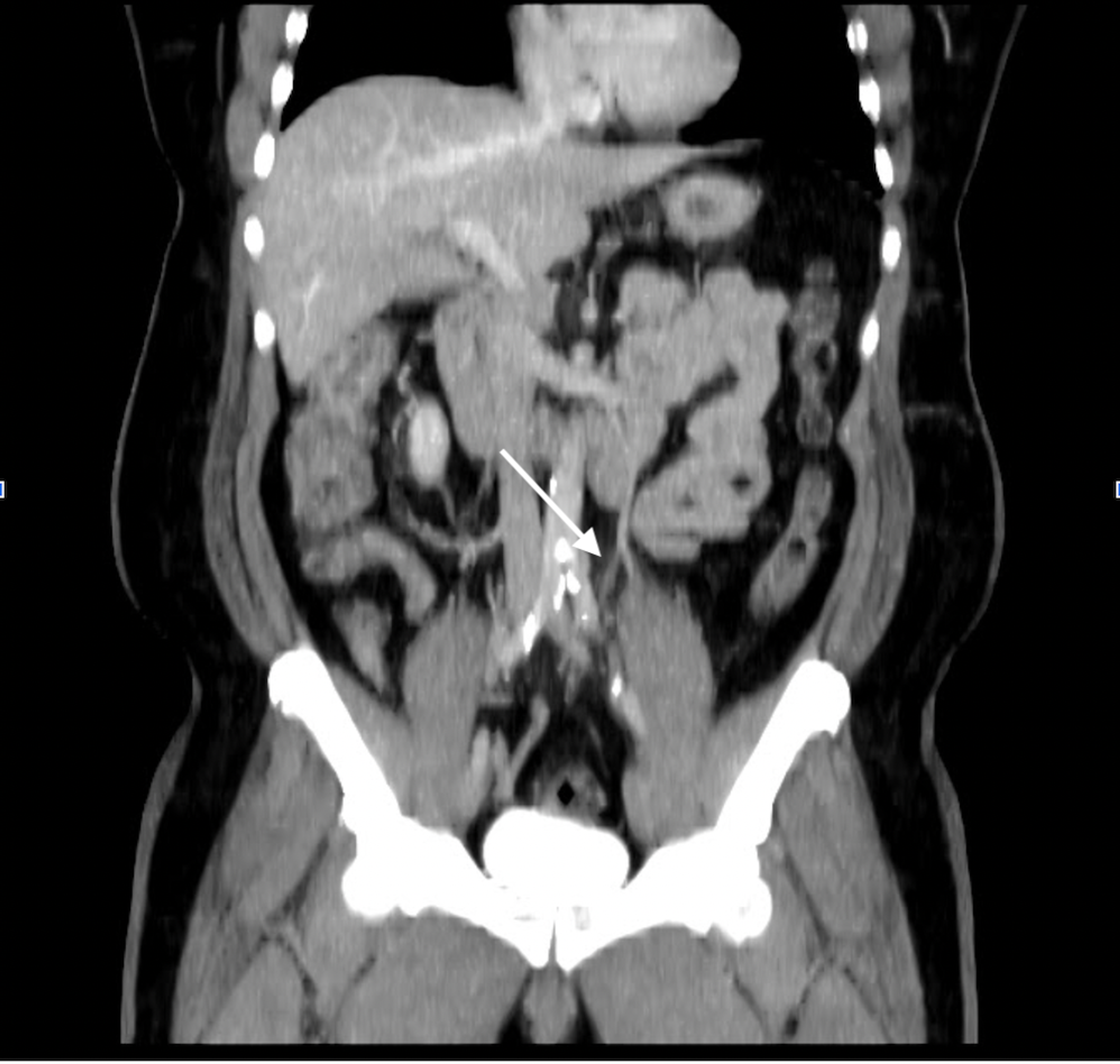
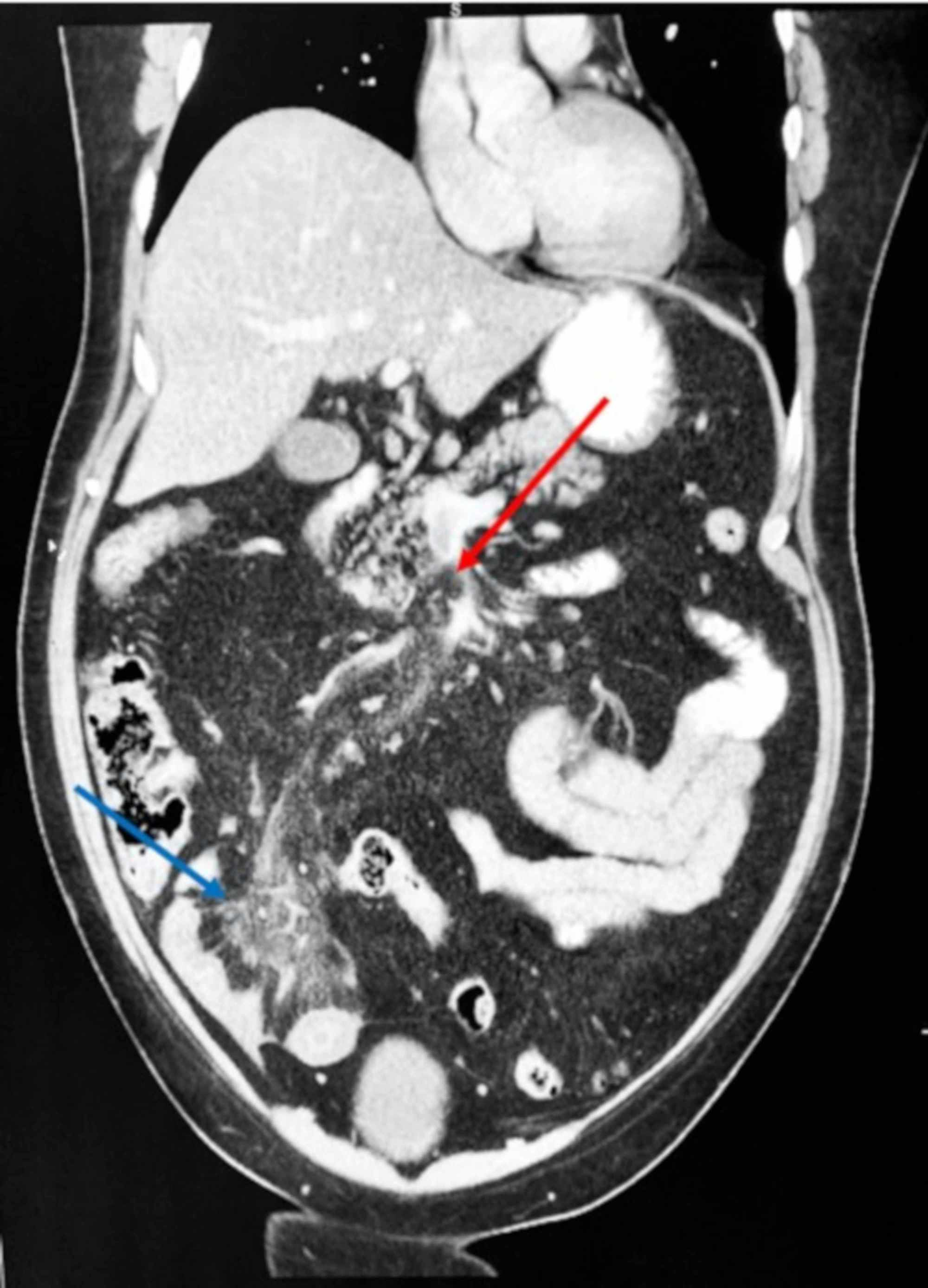
A few documented cases have shown similar findings but only in severely ill ICU patients. In animal models gradual occlusion of the superior mesenteric vein is associated with the development of collateral venous drainage without ischemic damage 10. This is called ischemia. Primary mesenteric venous thrombosis is considered spontaneous and idiopathic while secondary mesenteric venous thrombosis arises from an underlying disease or risk factor. However in our case we found a large thrombus involving the superior mesenteric vein and the portal vein in a patient with subclinical COVID-19 infection which is relatively a rare finding.
 Source: elsevier.es
Primary mesenteric venous thrombosis is considered spontaneous and idiopathic while secondary mesenteric venous thrombosis arises from an underlying disease or risk factor. Despite its severe consequences SMVT often presents with nonspecific symptoms such as nausea vomiting and abdominal pain. When you have mesenteric venous thrombosis MVT you have a blood clot in a vein around where your intestines attach to your belly. In summary the most common predisposing factors in superior mesenteric vein thrombosis with radiologically occult cause are recent abdominal surgery infection and hypercoagulation. Prognosis is fairly good in this subset of patients with a mortality of only 7 although bowel ischemia was noted in 21.
 Source: cureus.com
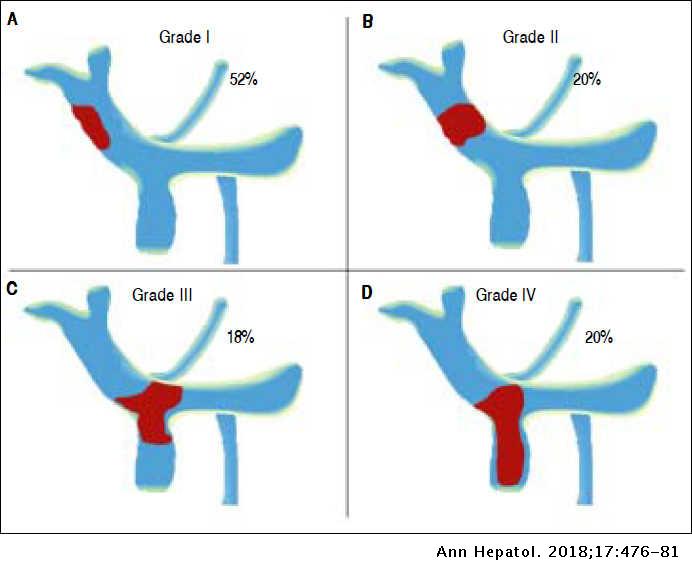
Acute portal vein thrombosis PVT is characterized by the recent development of a thrombus in the portal vein or its left or right branches. The exact cause of MVT is unknown. Of these the most common are surgical site infections SSI bleeding delayed gastric emptying and anastomotic leakage. This is called ischemia. There are two such veins through which blood leaves the intestine.
 Source: thelancet.com
First described in 1895 MVT can lead to bowel infarction and is therefore potentially life-threatening45 MVT is a rare medical emergency accounting for only 5 of all cases of acute mesenteric ischemia. When you have mesenteric venous thrombosis MVT you have a blood clot in a vein around where your intestines attach to your belly. Chronic mesenteric venous thrombosis we searched for vessel stenosis or occlusion associ-ated with collateral mesenteric veins. MVT is a clot that blocks blood flow in a mesenteric vein. Idiopathic Superior Mesenteric Vein Thrombosis Resulting in Small Bowel Ischemia in a Pregnant Woman articleLin2011IdiopathicSM titleIdiopathic Superior Mesenteric Vein Thrombosis Resulting in Small Bowel Ischemia in a Pregnant Woman authorHao Lin and Chih-Che Lin and Wanting.
 Source: researchgate.net
Chronic mesenteric venous thrombosis often features dilated venous collaterals which can bleed due to elevated venous pressures 11. Chronic mesenteric venous thrombosis often features dilated venous collaterals which can bleed due to elevated venous pressures 11. Although subacute MVT is also associated with prominent abdominal pain bowel infarction. There are two such veins through which blood leaves the intestine. Primary mesenteric venous thrombosis is considered spontaneous and idiopathic while secondary mesenteric venous thrombosis arises from an underlying disease or risk factor.
 Source: researchgate.net
Primary mesenteric venous thrombosis is considered spontaneous and idiopathic while secondary mesenteric venous thrombosis arises from an underlying disease or risk factor. The condition stops the blood circulation of the intestine and can result in damage to the intestine. A few documented cases have shown similar findings but only in severely ill ICU patients. Although subacute MVT is also associated with prominent abdominal pain bowel infarction. Despite its severe consequences SMVT often presents with nonspecific symptoms such as nausea vomiting and abdominal pain.
 Source: researchgate.net
Primary mesenteric venous thrombosis is considered spontaneous and idiopathic while secondary mesenteric venous thrombosis arises from an underlying disease or risk factor. This condition can lead to venous engorgement and mesenteric ischemia and accounts for 5 to 15 of all mesenteric ischemic events. J Pharm Pract. However there are many diseases that can lead to MVT. The condition stops the blood circulation of the intestine and can result in damage to the intestine.
 Source:
The condition stops the blood circulation of the intestine and can result in damage to the intestine. There are two such veins through which blood leaves the intestine. Chronic mesenteric venous thrombosis we searched for vessel stenosis or occlusion associ-ated with collateral mesenteric veins. Of these the most common are surgical site infections SSI bleeding delayed gastric emptying and anastomotic leakage. Mesenteric venous thrombosis can decrease the supply of blood to the tissues and cells of your digestive system.
 Source: cureus.com
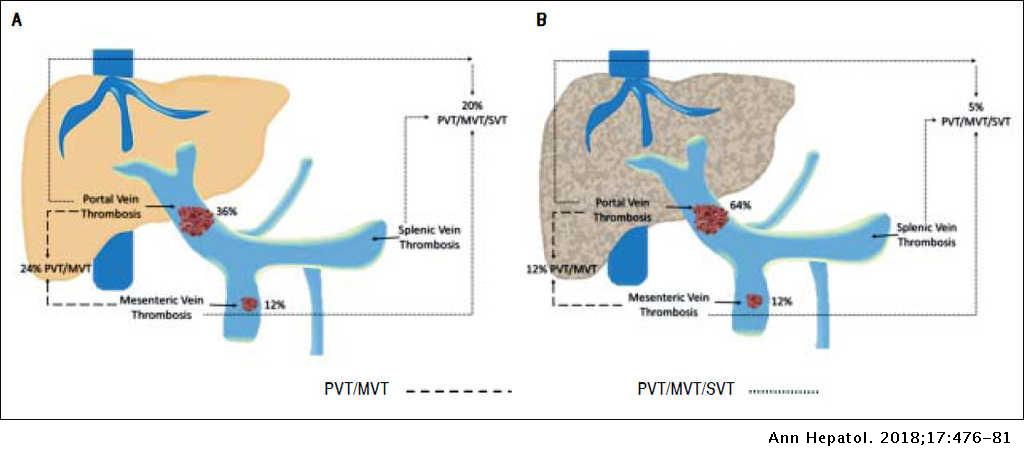
Patients were classified according to three etiological groups namely. There are two such veins through which blood leaves the intestine. This condition can lead to venous engorgement and mesenteric ischemia and accounts for 5 to 15 of all mesenteric ischemic events. This is a case report of a 55-year-old Caucasian male prescribed topical testosterone therapy for 12 months prior to admission when he was diagnosed with acute thrombosis in the portal vein PVT and. Mesenteric venous thrombosis can decrease the supply of blood to the tissues and cells of your digestive system.
 Source: elsevier.es
This study analyzes risk factors that influence the course and outcome of portal and superior mesenteric vein thrombosis PMVT. Acute thrombosis is associated with a definite risk of bowel infarction and peritonitis. Prognosis is fairly good in this subset of patients with a mortality of only 7 although bowel ischemia was noted in 21. Despite its severe consequences SMVT often presents with nonspecific symptoms such as nausea vomiting and abdominal pain. Chronic mesenteric venous thrombosis often features dilated venous collaterals which can bleed due to elevated venous pressures 11.
This site is an open community for users to share their favorite wallpapers on the internet, all images or pictures in this website are for personal wallpaper use only, it is stricly prohibited to use this wallpaper for commercial purposes, if you are the author and find this image is shared without your permission, please kindly raise a DMCA report to Us.
If you find this site adventageous, please support us by sharing this posts to your own social media accounts like Facebook, Instagram and so on or you can also bookmark this blog page with the title superior mesenteric vein thrombosis risk by using Ctrl + D for devices a laptop with a Windows operating system or Command + D for laptops with an Apple operating system. If you use a smartphone, you can also use the drawer menu of the browser you are using. Whether it’s a Windows, Mac, iOS or Android operating system, you will still be able to bookmark this website.


